Recent builds
Every car starts from real reference — proportions, lighting, and panel gaps first, driving feel second.
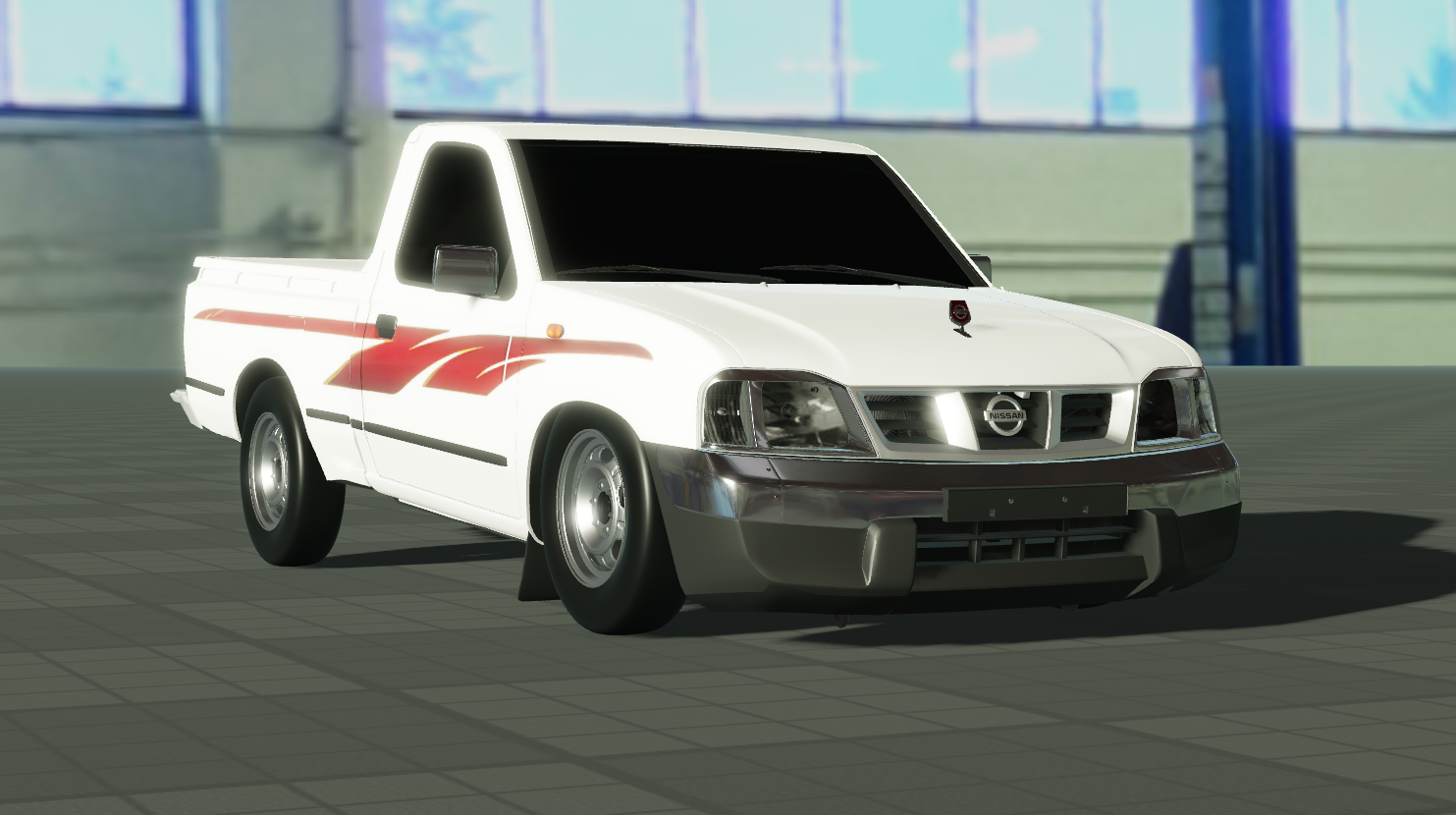
Datsun 16
A classic Gulf-road favorite, rebuilt with clean body lines and the worn, practical character that makes it instantly recognizable.
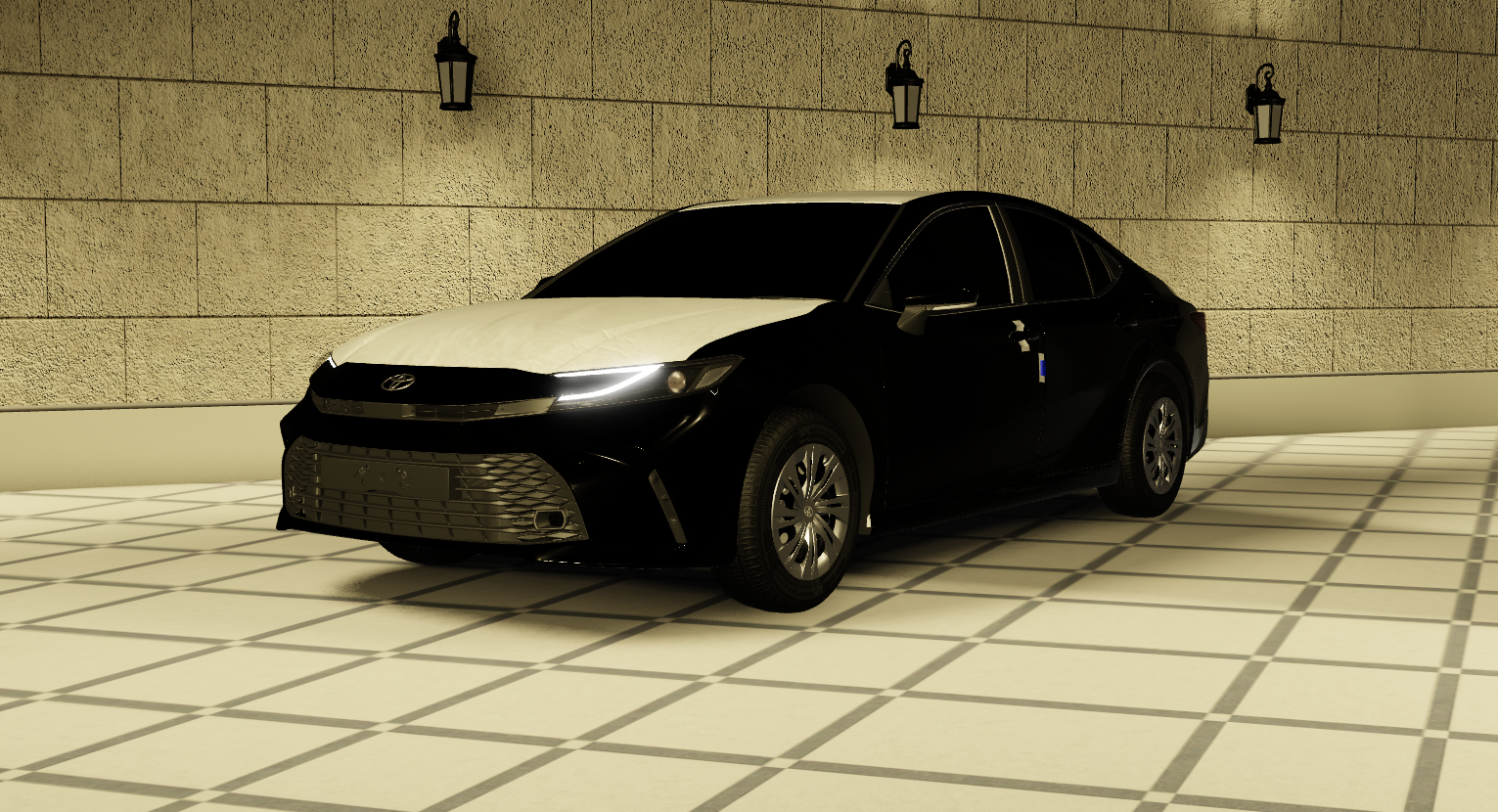
Toyota Camry 2025
A full front-end pass focused on getting the grille, LED signature, and bumper creases to read correctly under low light — the same low-angle garage lighting used to check real show cars.
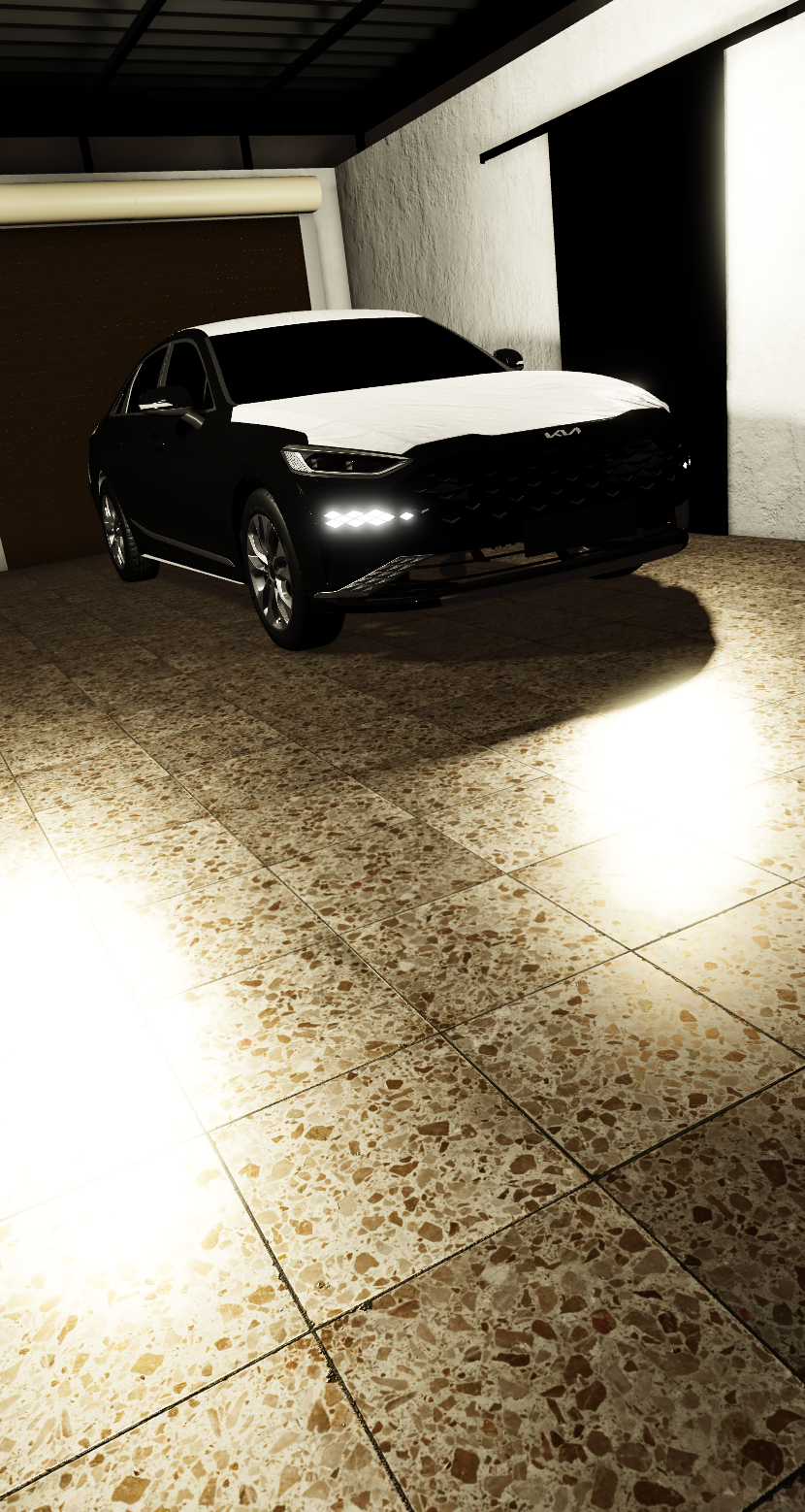
Kia K8
Split-color paint over a lowered stance, with a reworked grille and DRL strip. Built to test how far material contrast can push a stock body shape.
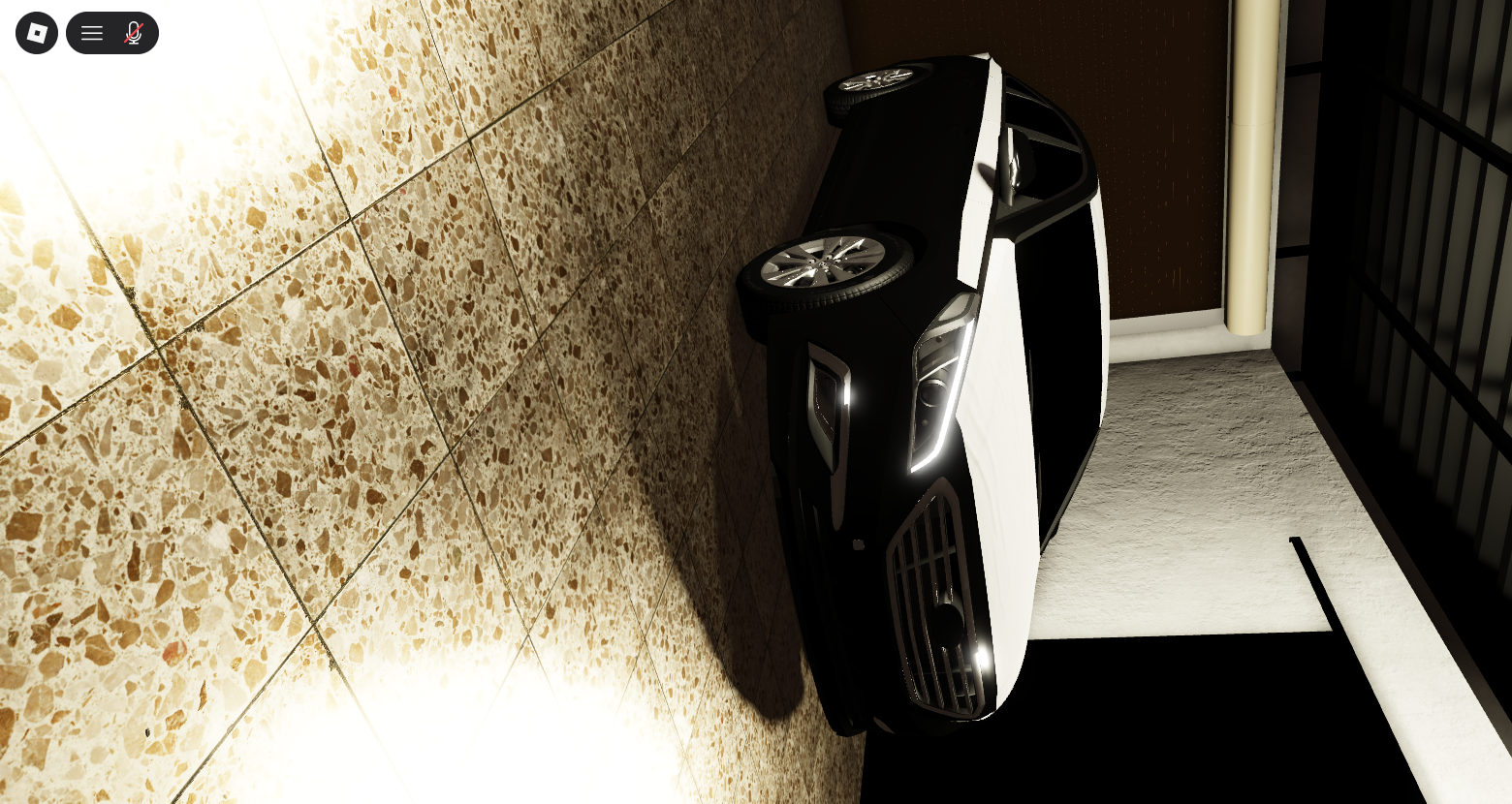
Hyundai Sonata 2017
Rebuilt the front fascia mesh from scratch to fix the stock proportions, then matched the badge, grille texture, and headlight geometry to reference.
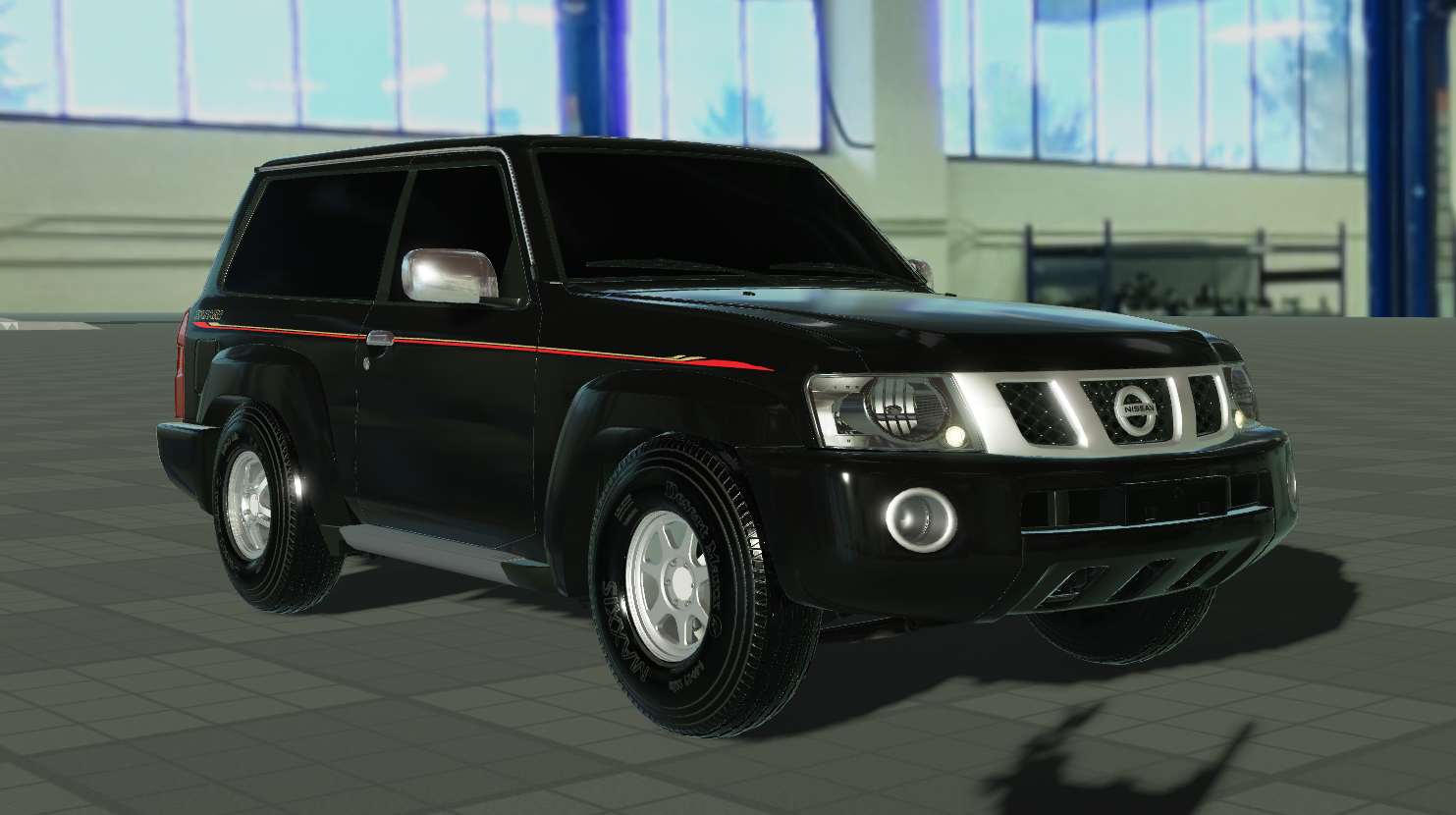
Nissan Patrol VTC
A full-size Patrol build with the aggressive stance and bold front end the VTC version is known for.
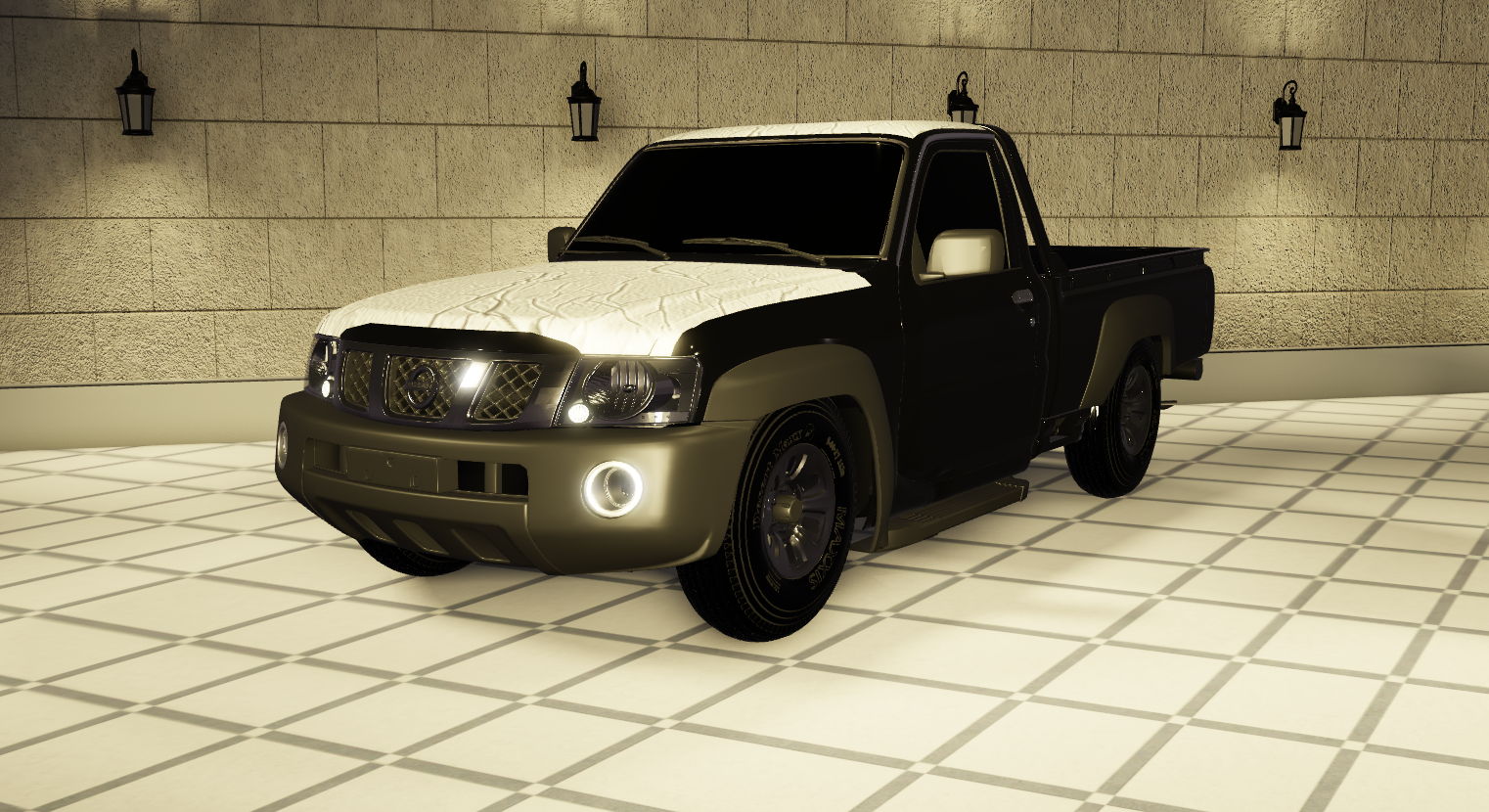
Nissan Pickup
A work-truck build with a proper bed, tough proportions, and the details that make it read as a real Gulf pickup.
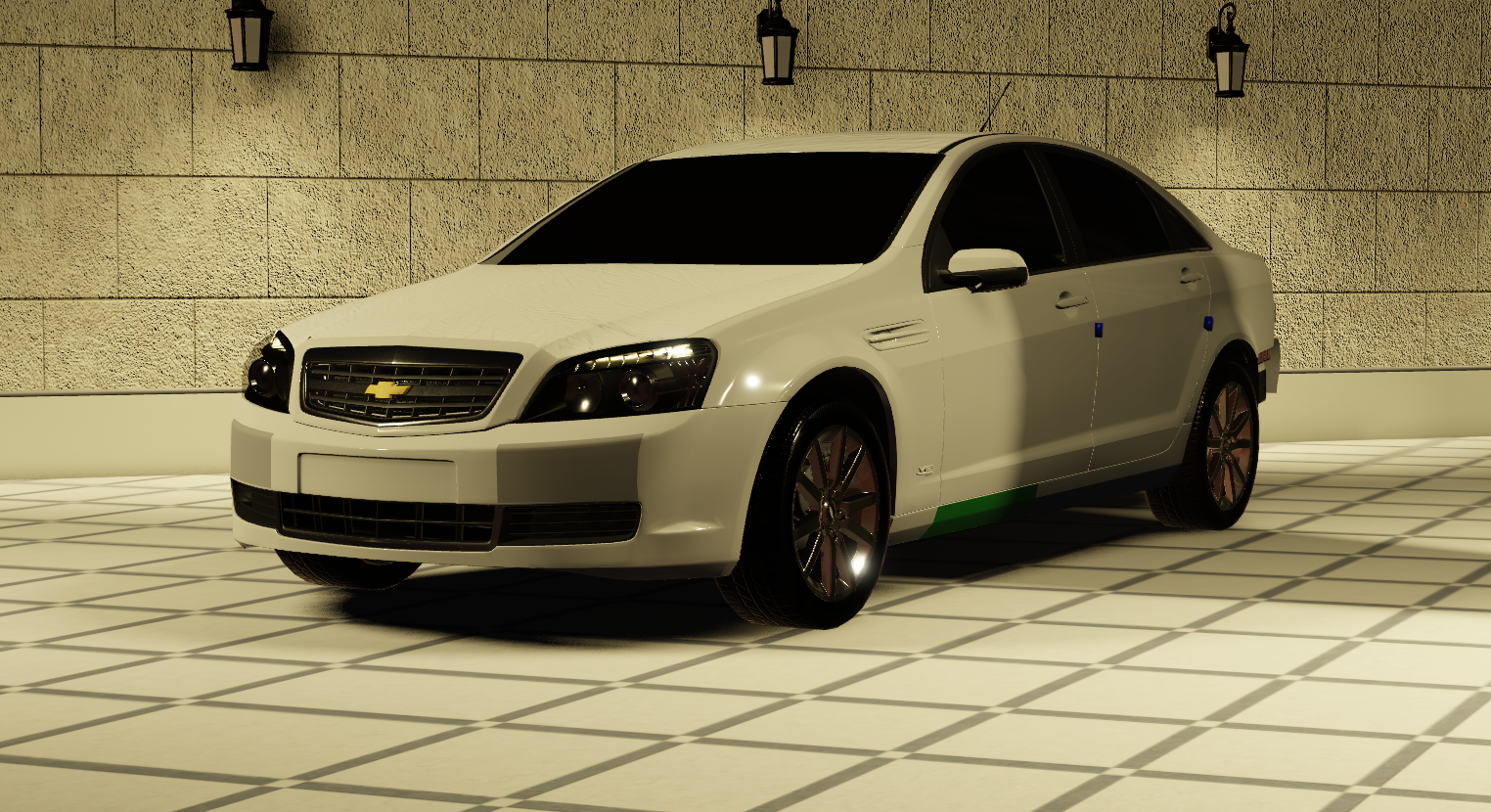
Chevrolet Caprice
A big, classic full-size sedan with the long body and presence that make the Caprice a Gulf favorite.